
SPECIALIST KNEE CARE. PERSONALISED TREATMENT.
Assessment and treatment for recurrent kneecap instability, with the approach tailored to your knee anatomy.
Consultations with Mr Osama Aweid, Consultant Knee and Sports Medicine Surgeon.

Specialist assessment and treatment for knee ligament, meniscus and patella problems.
Related treatment pages
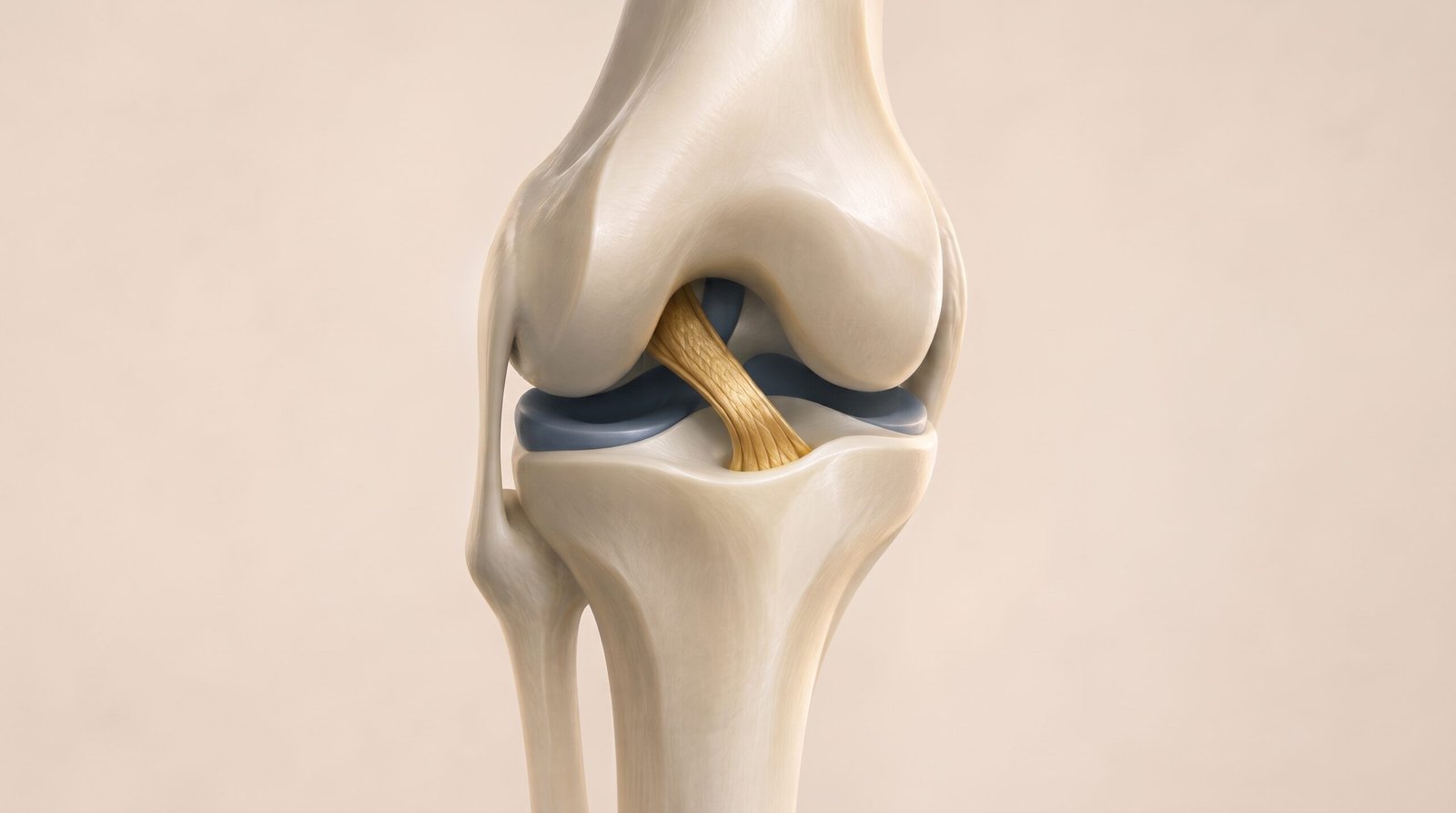
Replacing a torn anterior cruciate ligament, with treatment tailored to your knee and activity goals.
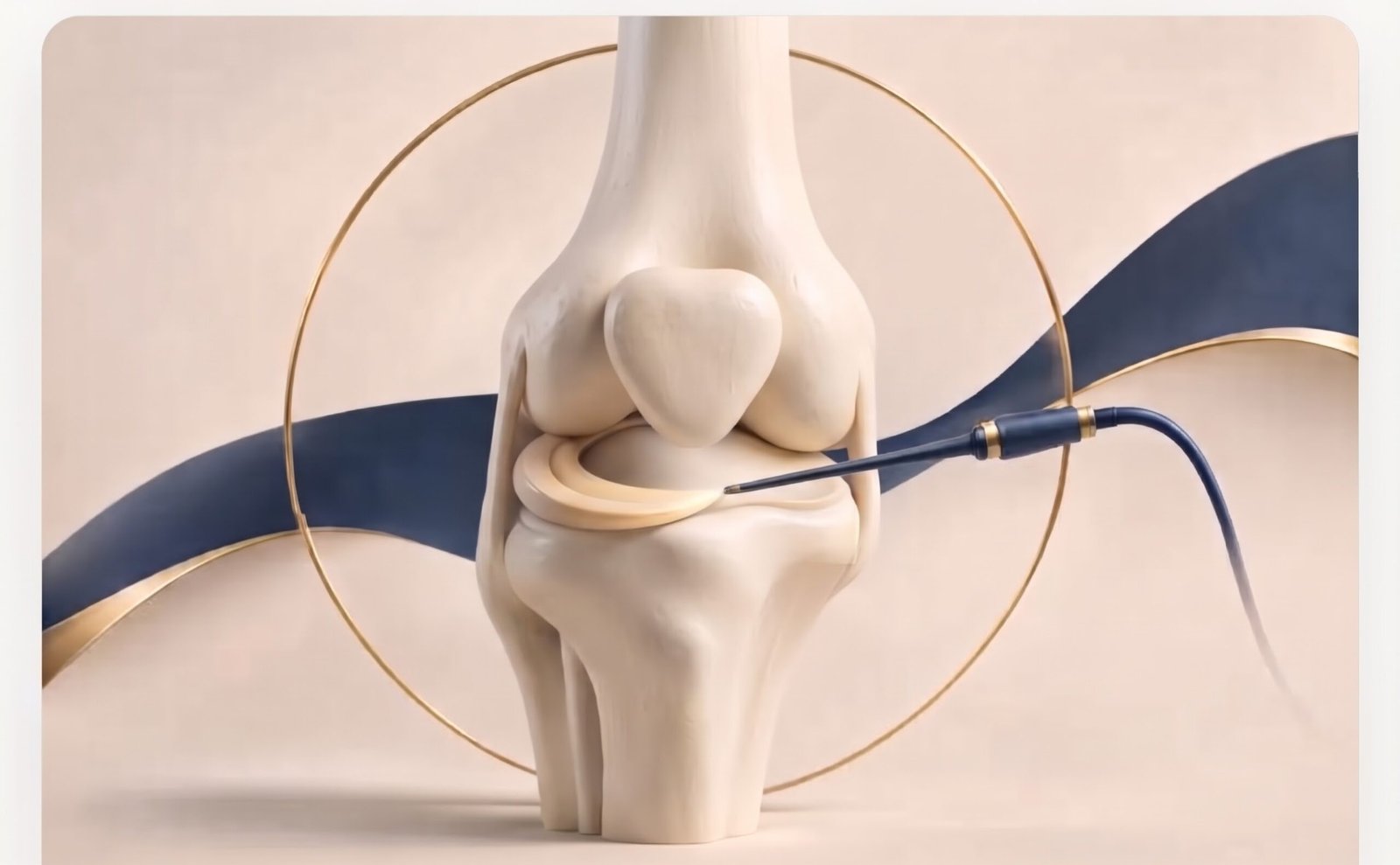
Information about keyhole knee surgery and treatment of meniscal problems.
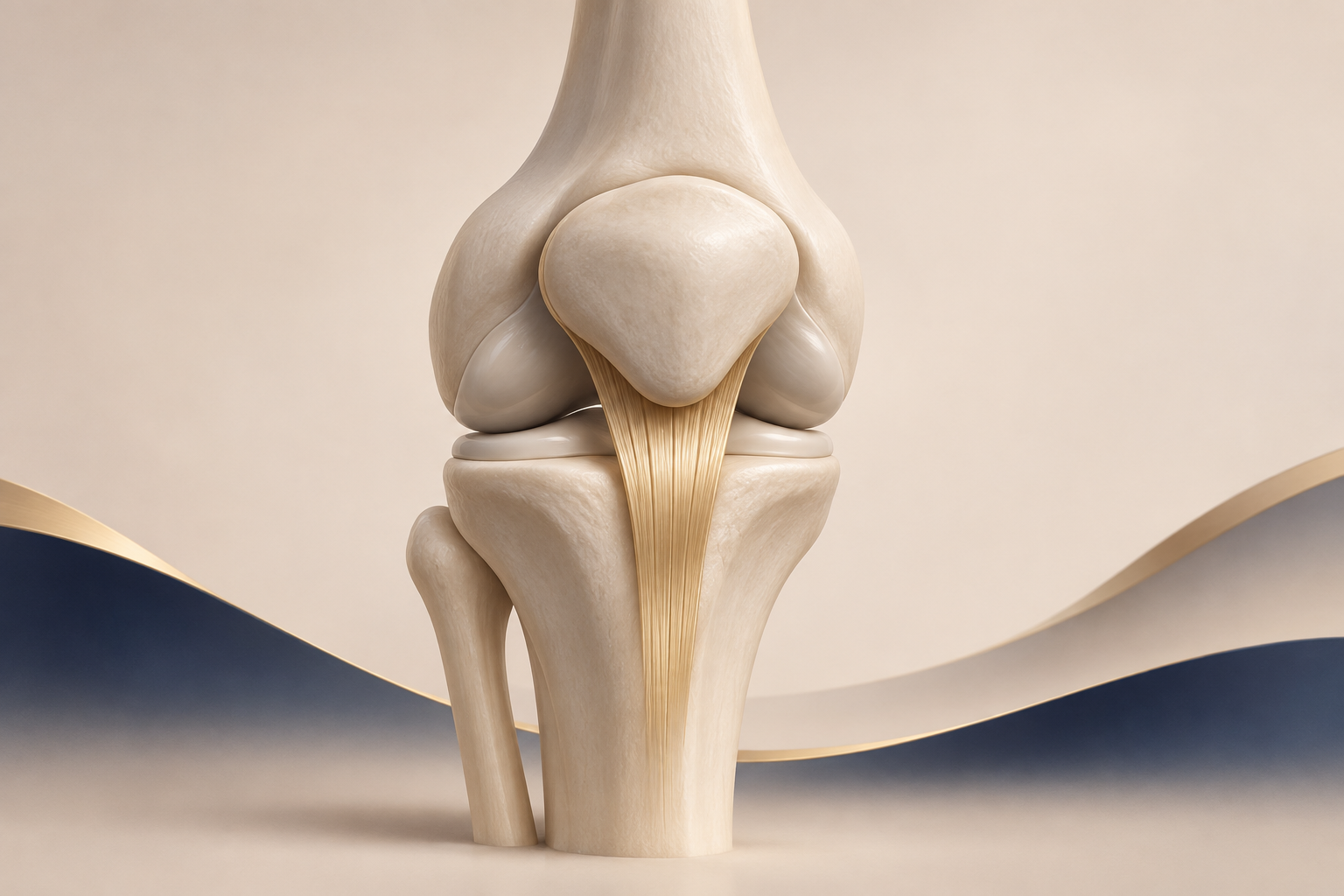
Assessment and treatment options for pain affecting the patellar tendon.
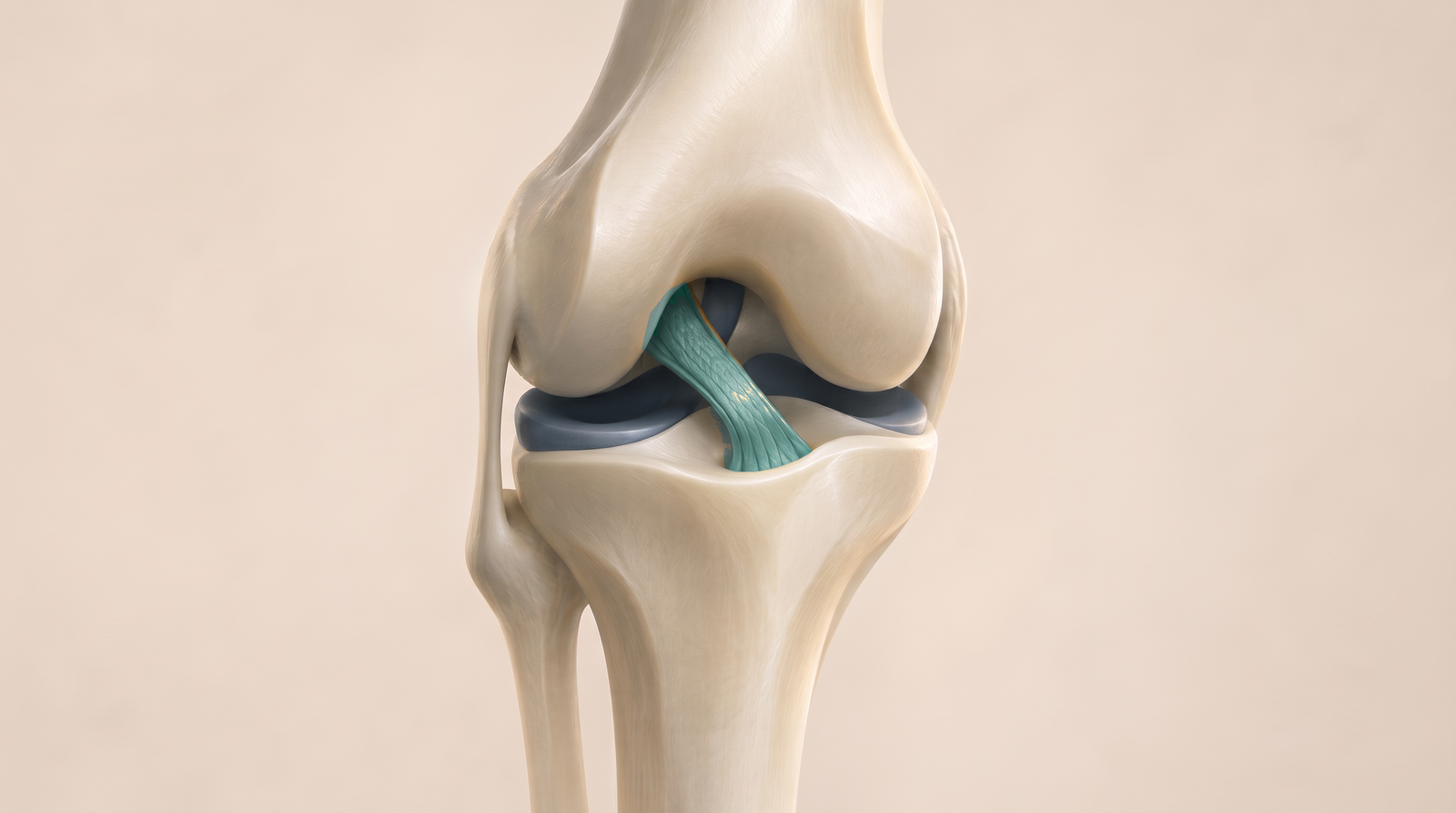
Assessment when previous ACL reconstruction needs further treatment.
5.0 / 5
Based on 74 Google reviews
Rating checked 2 November 2026
Doctify: 5/5 · 110 patient reviews
Read verified reviews on Doctify
“My experience at the clinic has been a really positive one.”
Jake Newstead
Google review
“I cannot fault Mr Aweid and his care.”
Verified Doctify patient
Feedback following ACL reconstruction
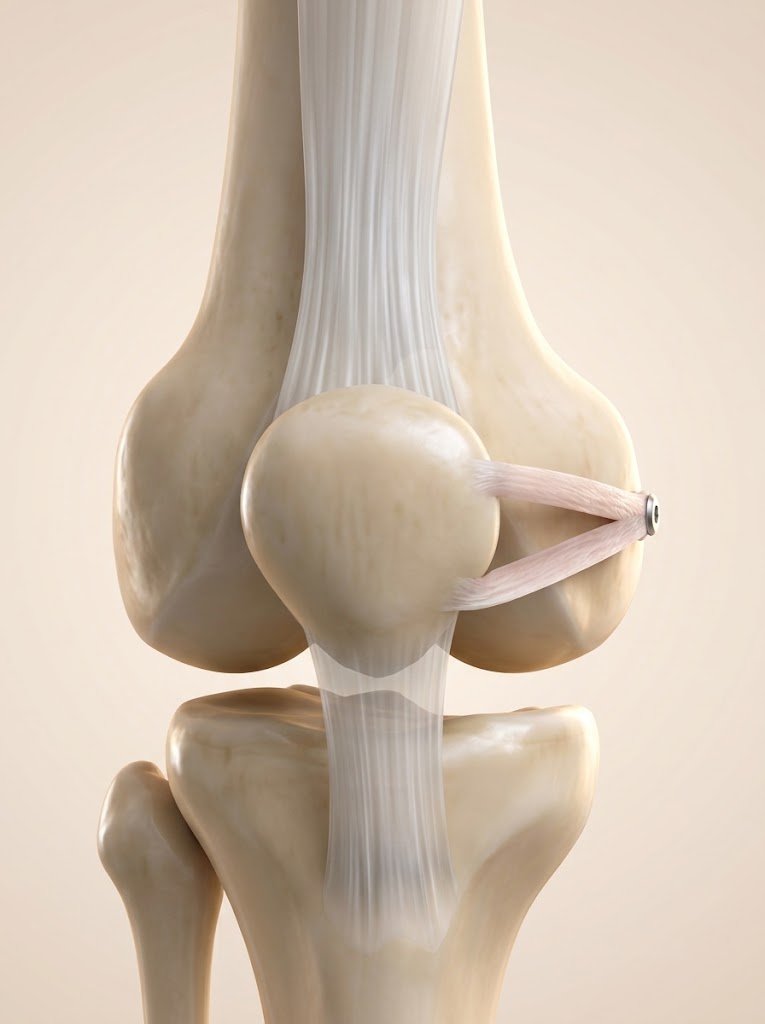
The patella, or kneecap, normally moves within a groove at the front of the knee. Instability can cause it to slip partly or completely out of position, leading to pain, swelling or giving way. Repeated episodes need assessment to understand the contributing soft tissue and bone factors.
Physiotherapy and other non-operative measures may help. Surgery may be considered when instability continues or particular anatomical factors need correction. Your history, examination and imaging guide the choice of treatment.
Stabilisation may involve reconstruction of the medial patellofemoral ligament (MPFL), often using a tendon graft. In some cases, other soft tissue procedures or repositioning of the tibial tubercle are appropriate. The operation is selected for the cause of instability rather than using the same procedure for everyone.
A brace and crutches may be needed while the knee heals. Physiotherapy gradually restores movement, strength and knee control. Restrictions and return to sport vary with the procedure, especially when bone realignment is involved, and will be agreed with your clinical team.
Risks include infection, blood clots, stiffness, ongoing pain, fracture, recurrent instability and injury to nearby structures. Further surgery may be needed. Mr Aweid will discuss the benefits, alternatives and individual risks before treatment.
No. Treatment depends on the reasons for instability. Some knees need a different procedure or a combination of soft tissue and bone procedures.
Return depends on the operation, healing and rehabilitation progress. Your team will assess strength and knee control before advising on sporting activity.
Contact the practice to arrange an assessment and discuss your treatment options.