SPECIALIST KNEE CARE. PERSONALISED TREATMENT.
Specialist assessment of persistent patellar tendon pain, with a treatment plan built around your symptoms and rehabilitation.
Consultations with Mr Osama Aweid, Consultant Knee and Sports Medicine Surgeon.

Specialist assessment and treatment for knee ligament, meniscus and patella problems.
Related treatment pages
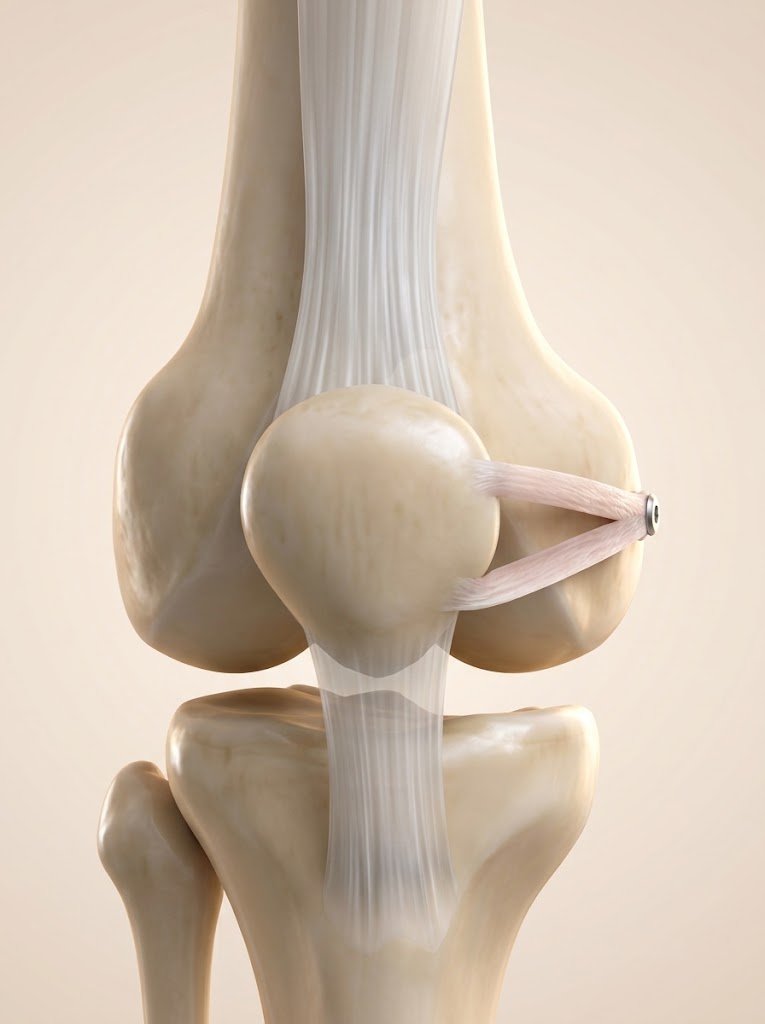
Replacing a torn anterior cruciate ligament, with treatment tailored to your knee and activity goals.
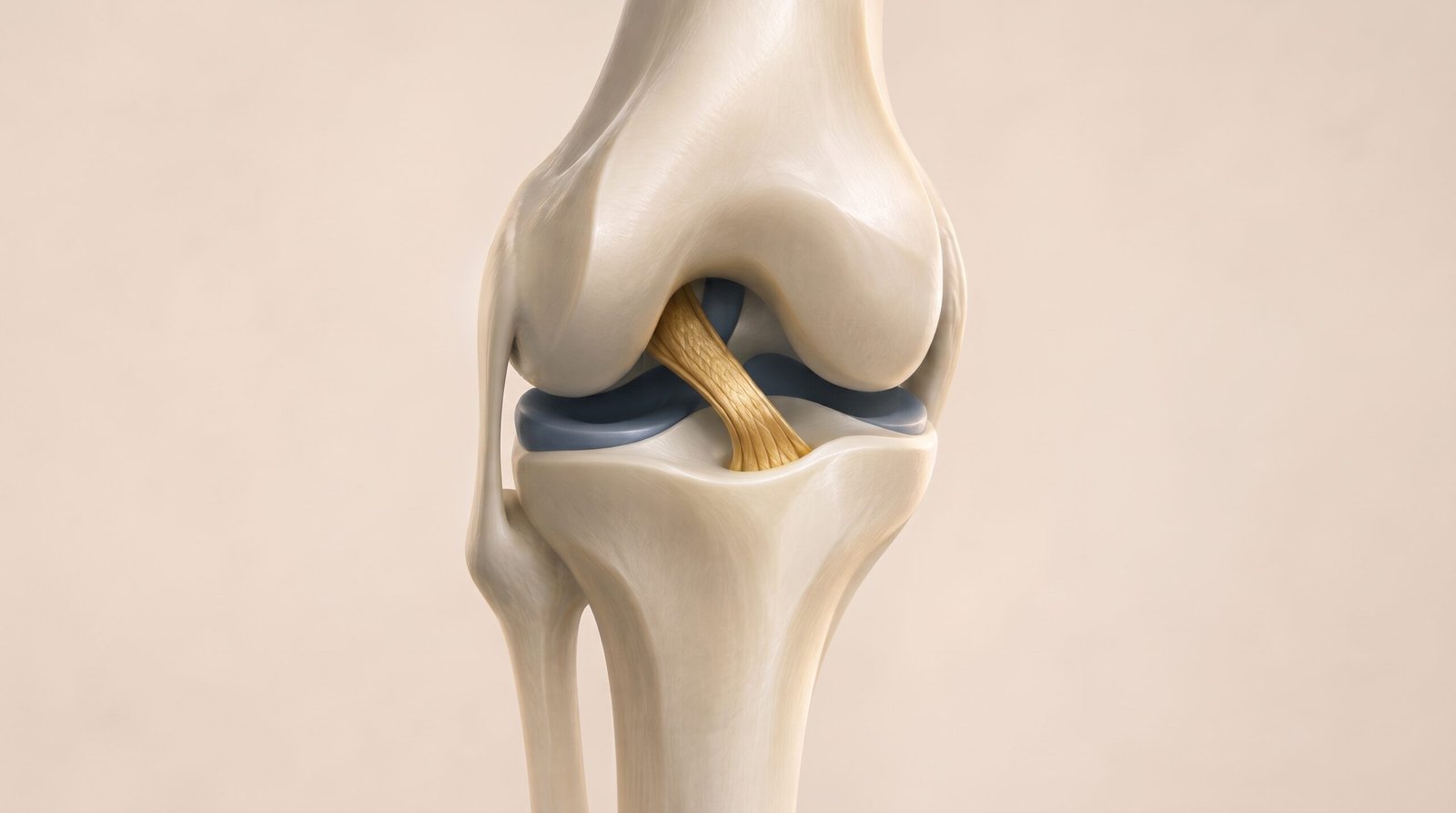
Information about keyhole knee surgery and treatment of meniscal problems.
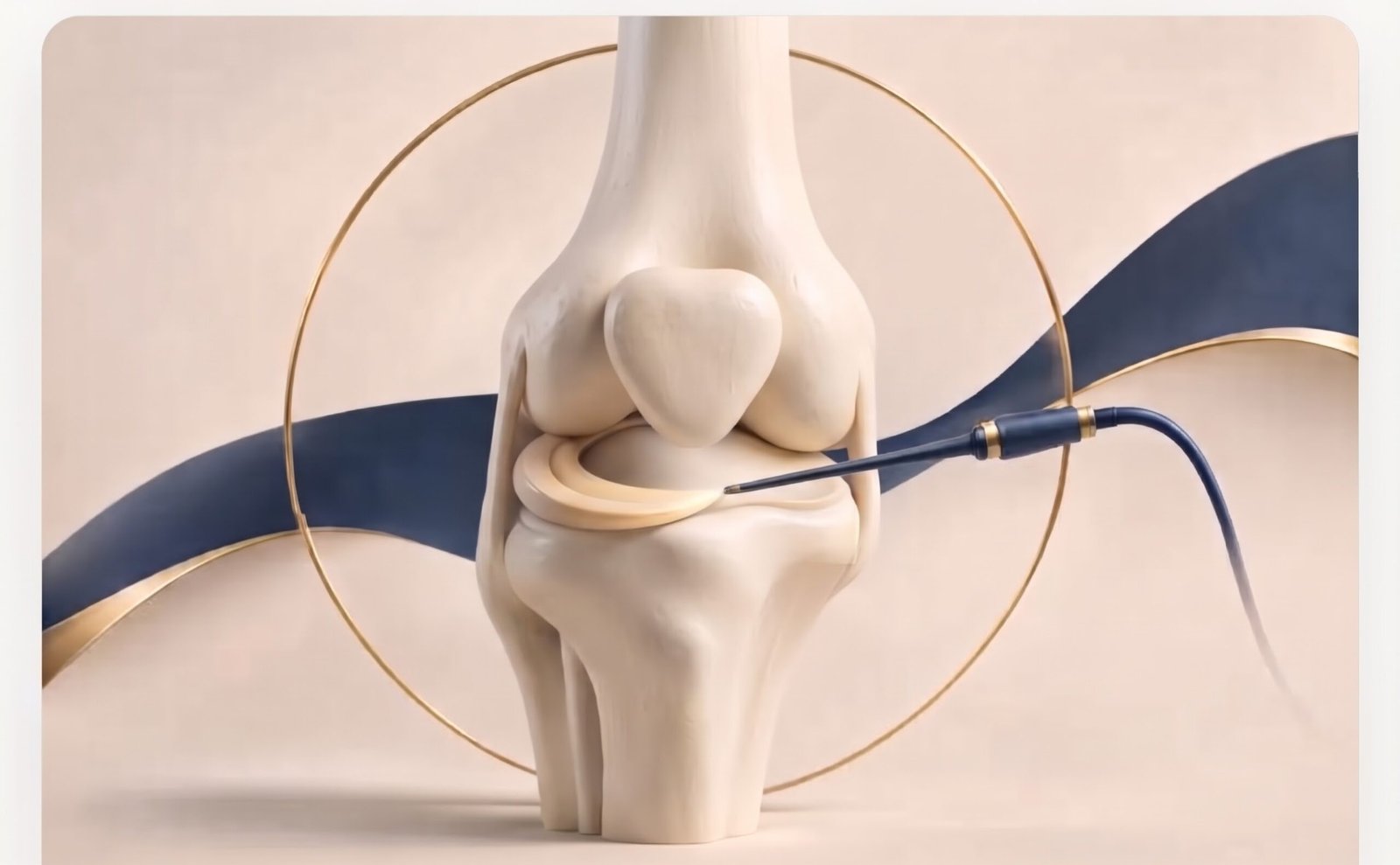
Assessment and treatment options for pain affecting the patellar tendon.
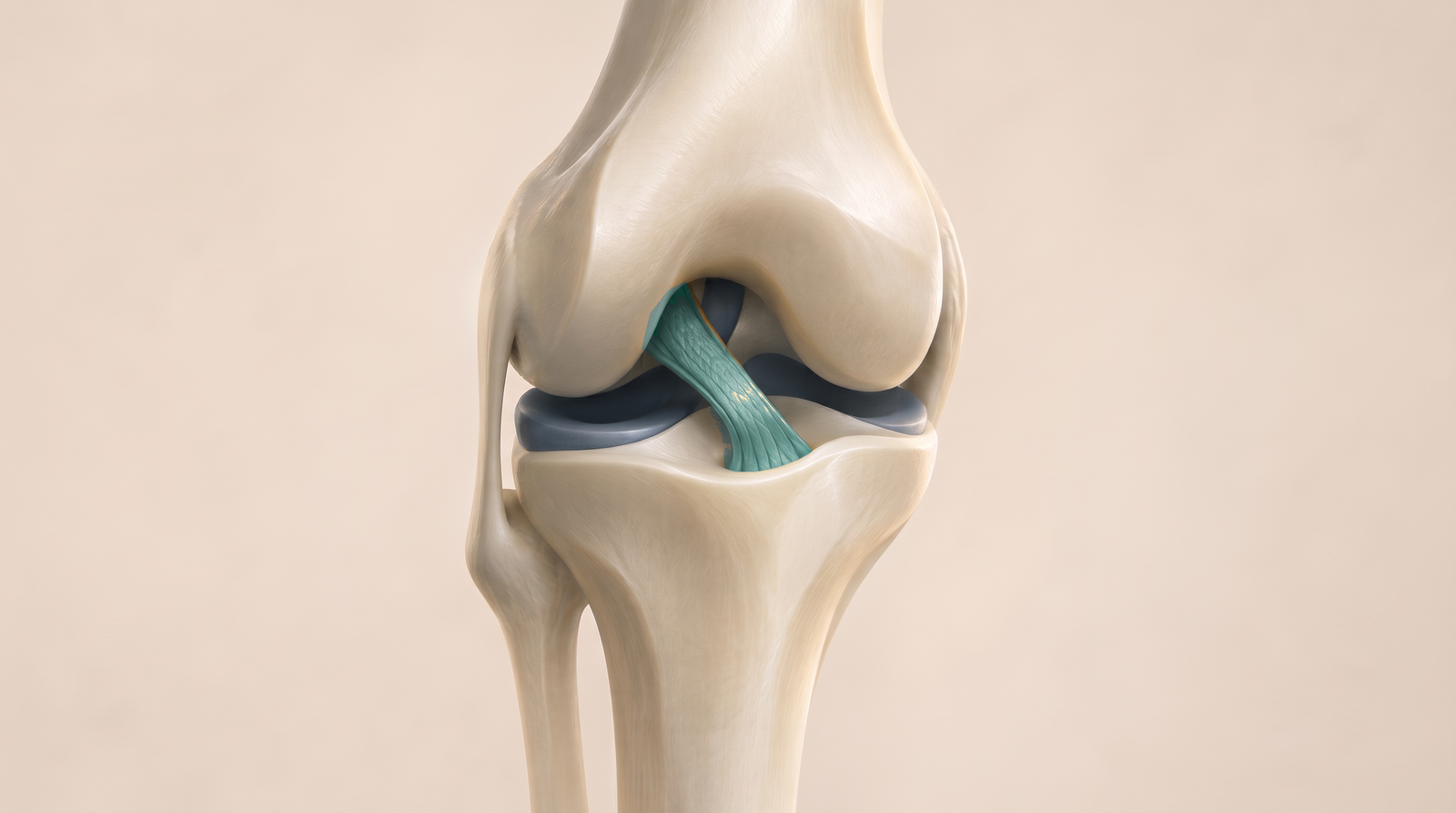
Assessment when previous ACL reconstruction needs further treatment.
5.0 / 5
Based on 74 Google reviews
Rating checked 2 November 2026
Doctify: 5/5 · 110 patient reviews
Read verified reviews on Doctify
“My experience at the clinic has been a really positive one.”
Jake Newstead
Google review
“I cannot fault Mr Aweid and his care.”
Verified Doctify patient
Feedback following ACL reconstruction
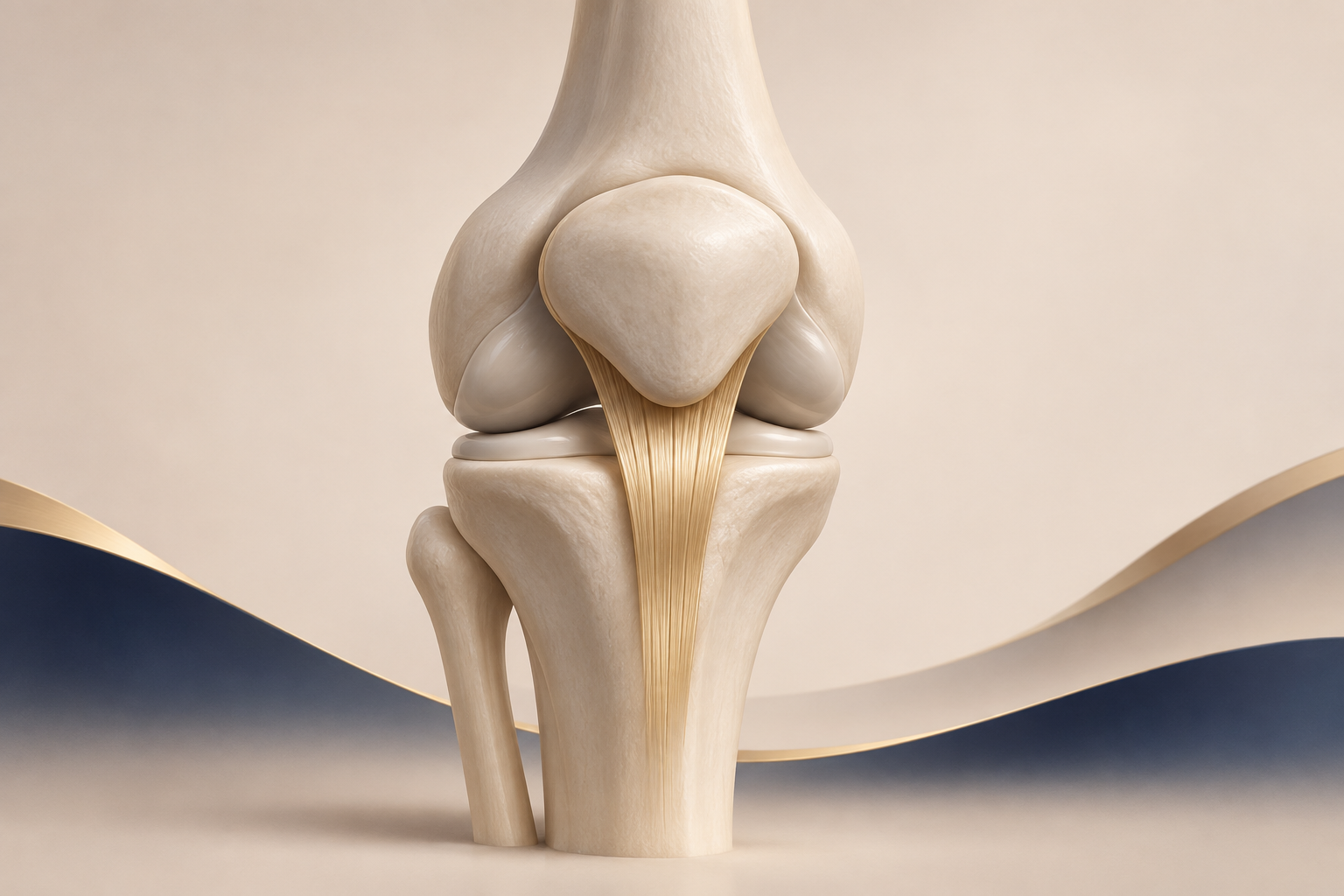
The patellar tendon connects the kneecap to the shin bone. Patellar tendinopathy can cause pain around the tendon, particularly during jumping, running or activities that load the knee. Persistent symptoms can affect both sport and everyday movement.
Treatment usually starts with rehabilitation and adjustments to activity. A specialist review can help when symptoms persist despite an appropriate physiotherapy programme. Examination and imaging help establish the diagnosis and whether there are other causes of pain.
For selected patients, surgery may involve removing damaged tendon tissue using an arthroscopic approach with ultrasound guidance. The precise approach depends on the location and extent of the problem. Mr Aweid will explain the proposed procedure, its limitations and the alternatives before any decision is made.
Rehabilitation is an important part of treatment, including after surgery. Activity and knee movement are increased gradually under guidance, followed by progressive strengthening and tendon loading. Return to running or sport depends on symptoms, strength and progress rather than a fixed date.
Surgery can involve infection, bleeding, blood clots, stiffness, persistent pain or injury to nearby structures. Symptoms may not fully resolve and further treatment may be needed. Your individual risks and expected recovery will be discussed before treatment.
No. Rehabilitation is usually the starting point. Surgery is considered only for selected cases after assessment of symptoms and previous treatment.
Bring details of physiotherapy and other treatments, any imaging reports, and information about the activities that trigger your pain.
Contact the practice to arrange an assessment and discuss your treatment options.